
Topic
From Wooden Memory Cards to Ikitabo
Impundu Crafts
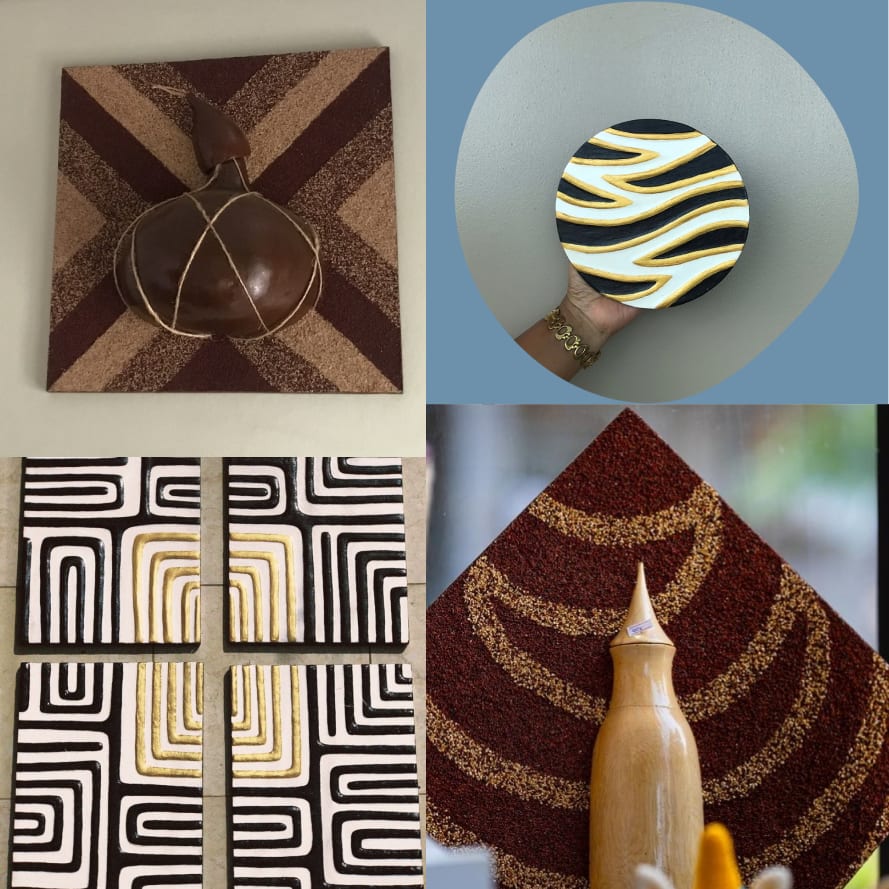
I’ve been working with my mom and sister at Impundu Crafts, which is a small crafts business. Our main products are paintings and art crafts inspired by Rwandan patterns, traditional colors, and traditional Rwandan craftsmanship. But my contribution was on creating art crafts that would help kids learn.
Finding the right toy for my brother
I designed toys that my autistic brother enjoyed playing and learning from. It was really hard finding the right toys for him because he would easily get distracted, and it didn’t help him actively learn new things. My goal was to find a solution for this.
Wooden memory cards
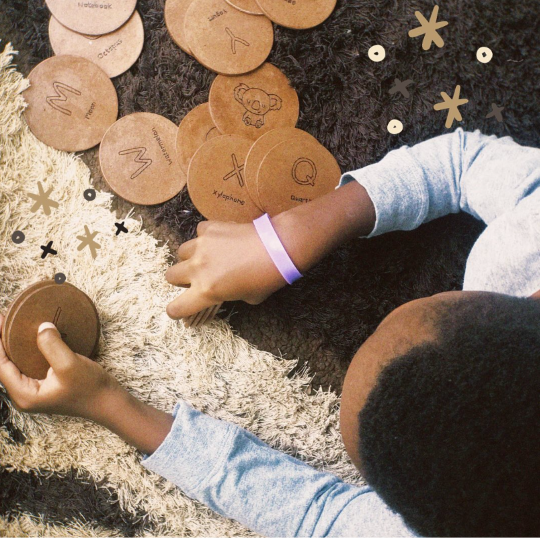
Memory card sets work by having children flip cards over to find matching pairs. In this way, the learning becomes more enjoyable and less rigid.
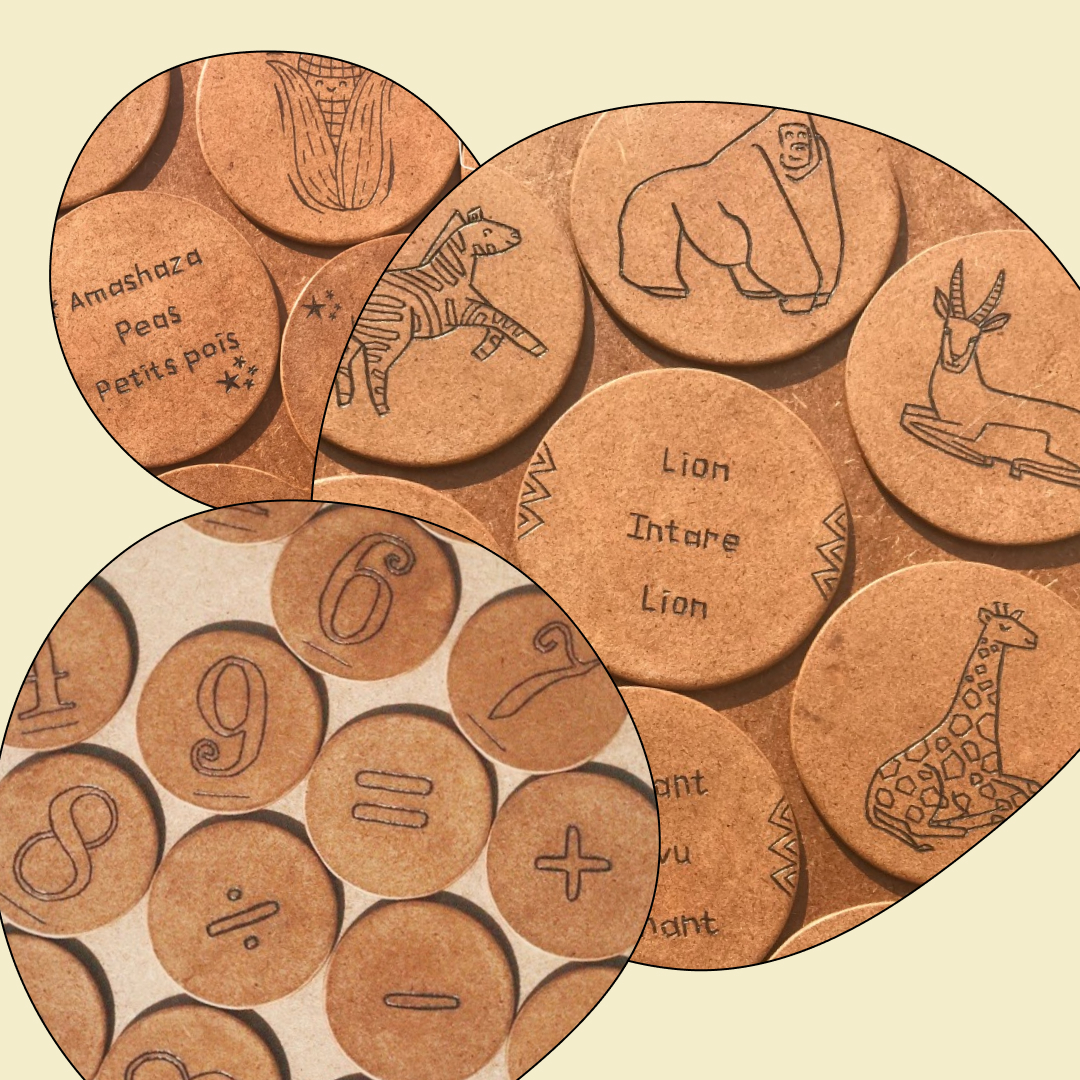
We have created toys around different subjects: math, sign language, emotions, and teaching in different languages like French, Kinyarwanda, and English.
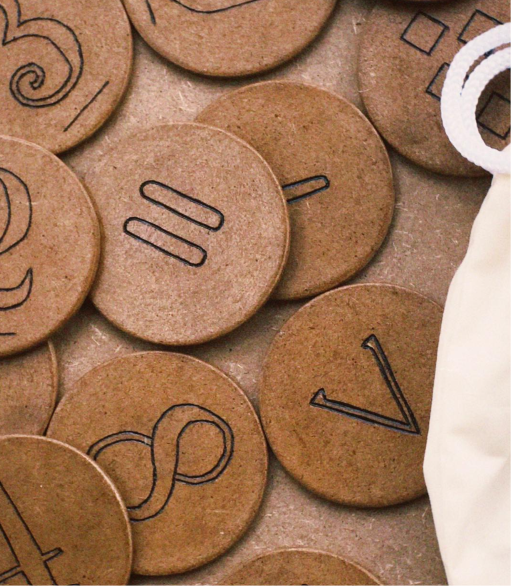
I have worked with several schools and programs, including Autism Rwanda, which my brother attends. It was harder than I thought, but their feedback helped me understand the children’s specific needs.
After exploring more about knowledge, I came to realize that the same could be applied to adults. The adult brain does not enjoy rigidity; it works best when knowledge is flexible.
Too much information
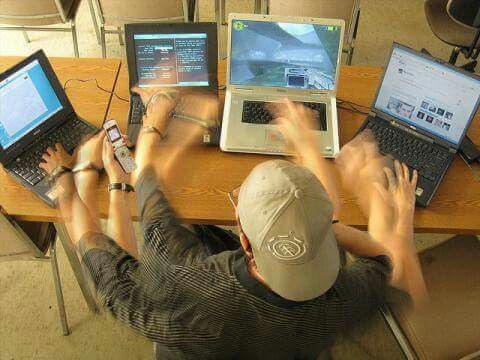
Modern society gives us access to so much information that it becomes hard for people to truly consume and work with it. This creates a rigid environment for our brains to build any long-term knowledge or skill. We treat information like these dense, compact objects. We consume so much media (PDFs, books, videos, etc.), and because we never take them apart, we never get to own the ideas inside them.
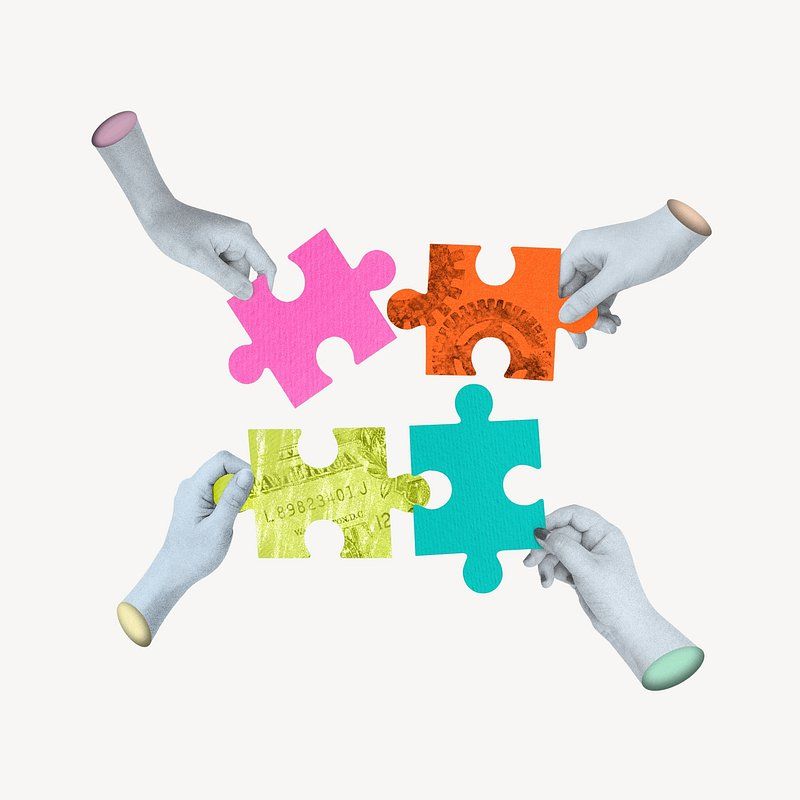
An adult should be able to play with their knowledge like a kid playing with memory cars.
ikitabo
Realizing all this is actually what pushed me to build something out of it, a tool called ikitabo, which is a note-taking app I am currently working on. My hope is that people stop treating their notes like hard disks, where things go to be archived and forgotten, but start treating them like a living network instead, where every note is actually linked to the ones around it in some meaningful way. That’s the whole point behind ikitabo, helping people capture, process, and connect their ideas better.